
7 Common Myths About High Blood Pressure—And What the Evidence Actually Shows
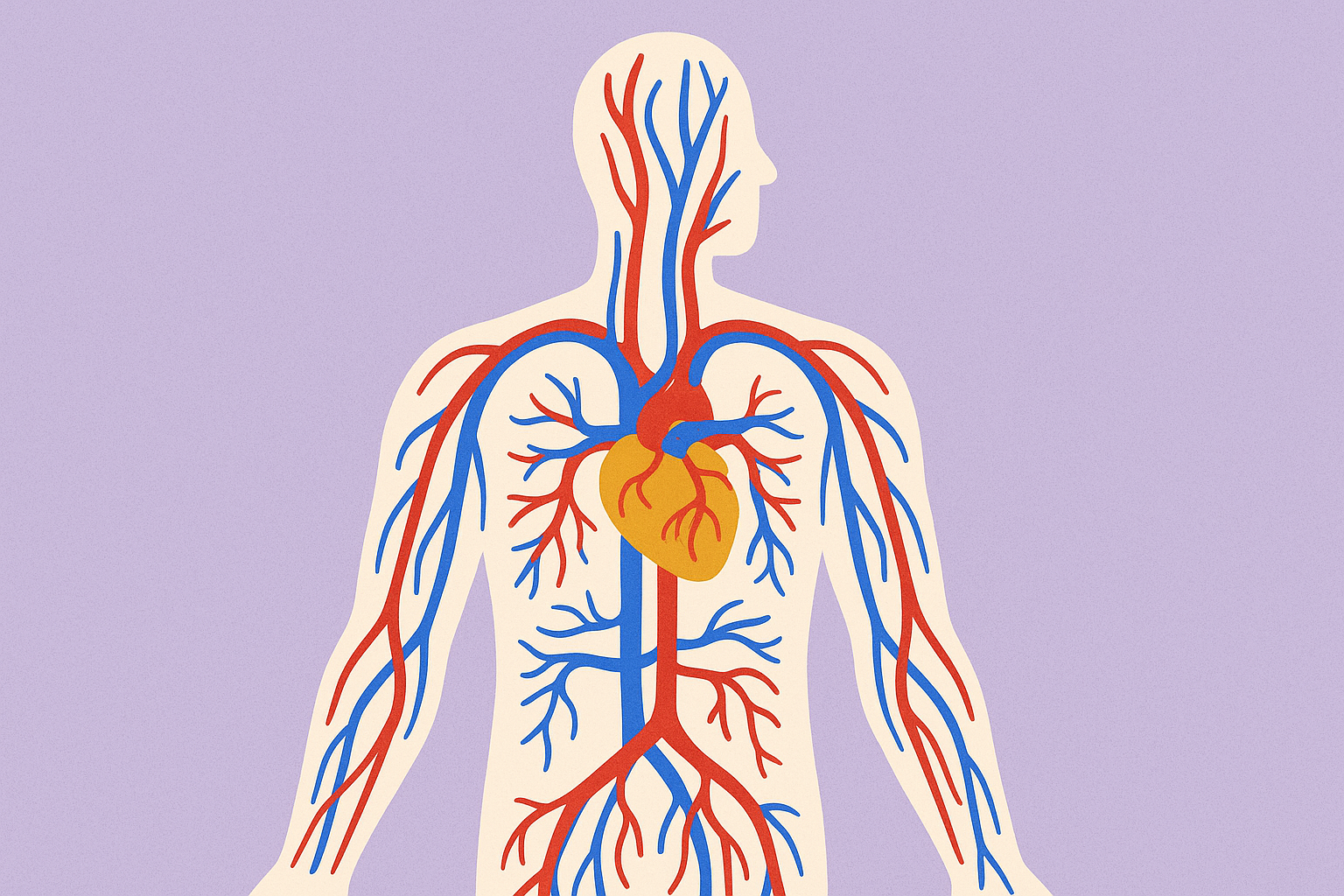
High blood pressure, or hypertension, affects nearly half of U.S. adults. Despite how common it is, misconceptions about causes, treatment, and risk are widespread. Clearing up these myths can meaningfully reduce the risk of stroke, heart attack, heart failure, and kidney disease.
Here are seven of the most common myths we hear in clinic—and the truth behind them.
1. You’ll know if you have high blood pressure because you’ll feel it.
False. Most people with high blood pressure feel completely fine. That’s why hypertension is often called “the silent killer.” Without regular monitoring, it’s easy to miss, and the first sign might be a serious event like a heart attack or stroke.
2. High blood pressure at the doctor’s office is no big deal.
Not quite. White coat hypertension (elevated readings only in medical settings) is real—but it can still increase long-term cardiovascular risk. One or two normal readings at home aren't always enough to rule it out. We typically recommend tracking your blood pressure for at least two weeks at home to understand your true baseline. If it's consistently normal, that’s reassuring. But if it's elevated outside the office as well, it may be time to act. Repeated stress and sympathetic activation may contribute to long-term cardiovascular risk. Persistently elevated readings, even if partially anxiety-driven, should not be ignored. Learn how to monitor your blood pressure at home.
3. Beta-blockers are first-line treatment.
Outdated. According to major guidelines such as the ACC/AHA, first-line medications typically include a thiazide diuretic, ACE inhibitor, ARB, or calcium channel blocker unless there is a specific indication for a beta-blocker.
4. Herbal supplements are a safe and effective way to lower blood pressure.
Be cautious. Some supplements such as garlic, hibiscus, or beet juice may lower systolic blood pressure by a few millimeters of mercury in small studies. That effect is modest and far less predictable than standard medications. Dosages are inconsistent, benefits are often small, and some supplements can interact with medications or even raise blood pressure. Always talk with your doctor first.
5. If your numbers are borderline, you don’t need to do anything.
Not true. “Borderline” or “elevated” blood pressure (typically 120–139 systolic) can still increase your risk for heart disease over time. Lifestyle changes—like lowering sodium, exercising regularly, and improving sleep—can make a big impact before medication is even needed.
6. Once you start medication, you’re on it for life.
Not always. Some people do stay on blood pressure medication long-term, especially if they have other chronic conditions. But others may be able to taper off with sustained lifestyle changes. We reassess your plan regularly and adjust based on your needs.
7. If high blood pressure runs in your family, it’s inevitable.
There’s plenty you can do. Family history is just one risk factor. We’ve helped many patients with a genetic predisposition reduce their risk significantly with smart, sustainable changes. Your numbers aren’t your destiny.
Get support that fits you
At PridePoint Health, we combine evidence-based treatment with unhurried, relationship-centered care. Whether you need lifestyle guidance, medication management, or help understanding your numbers, we build a plan that fits your life.
Learn more about our membership model, or schedule an introductory call to see if our clinic is the right fit for you.
Ready to sign up? You can do that here.
Medical content reviewed by Dr. Ryan Coe, MD
Dr. Coe is a board-certified internal medicine physician and founder of PridePoint Health. He specializes in evidence-based primary care and inclusive, affirming medicine for adults of all backgrounds.
Disclaimer: Nothing in this post creates a physician-patient relationship with the reader.
Speak with your own health care provider prior to making any changes to your treatment plan.